Introducing the New Eagle Bank Website: A Better Digital Banking Experience
At Eagle Bank, we believe innovation should make banking easier, more intuitive, and more accessible for the people and businesses we serve. That’s why we’re excited to introduce our completely redesigned website. We feel that this significant upgrade better reflects both who we are today and how we’re evolving the customer experience in the future.
How to Set Financial Goals You’ll Actually Stick To in 2026
Financial goals stick when they’re built realistically, connected to everyday life, and supported with simple systems rather than sheer willpower. Here’s how to approach financial goal setting for 2026 in a way that actually works.
Important Update: Debit Card Activation & Support Numbers
At Eagle Bank, we want to ensure you have the correct information to manage your debit card quickly and easily.
Some recently mailed debit cards included an incorrect phone number for activation and lost or stolen card support. We apologize for any confusion this may have caused.
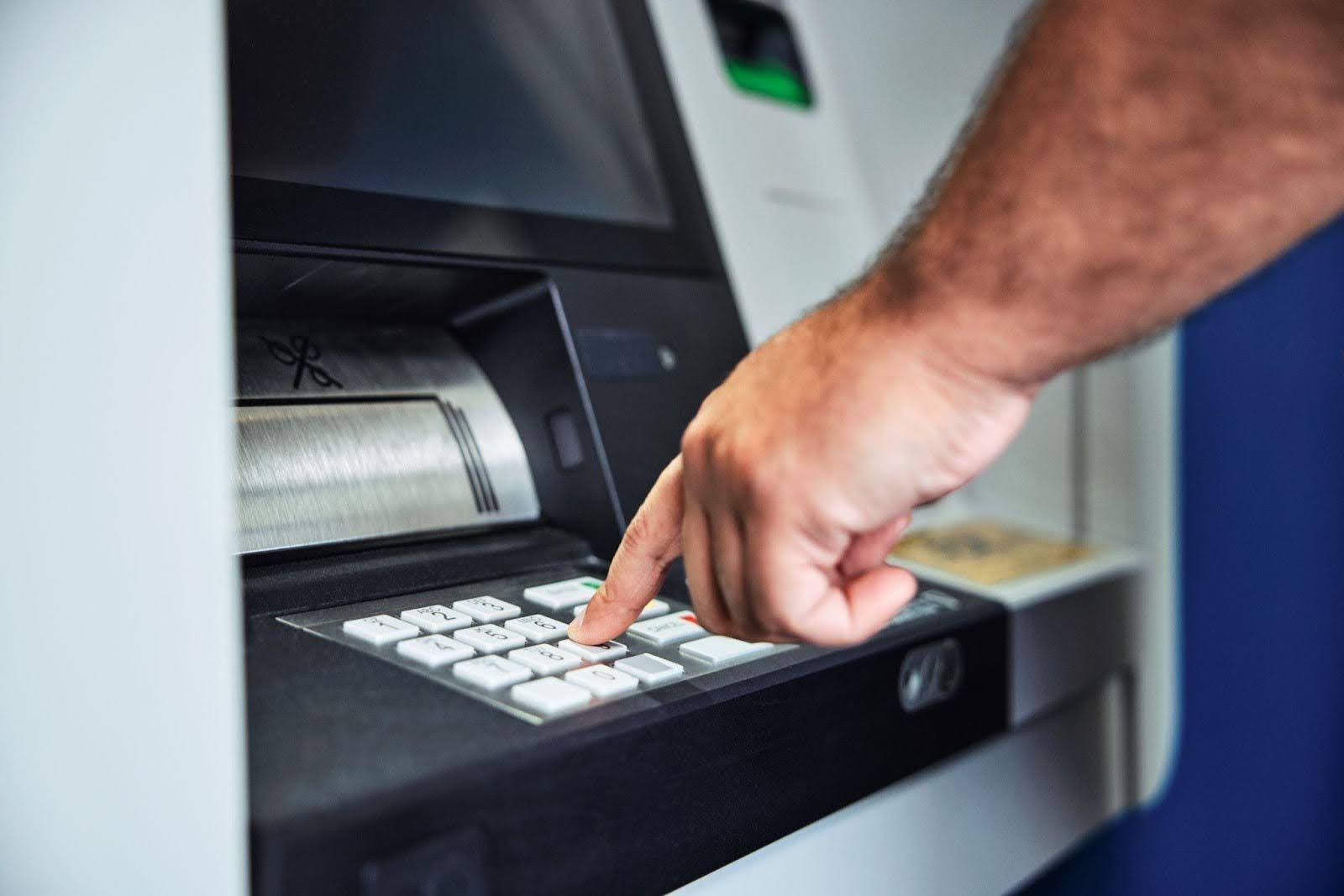
If you need to activate your new debit card or report a card that is lost or stolen, please use the correct phone numbers below:
Activate or Reset Your Debit Card Call 800-992-3808
Report a Lost or Stolen Debit Card Call 888-439-1591
If you have any questions or need additional assistance, please don’t hesitate to contact your local Eagle Bank branch or our customer support team.
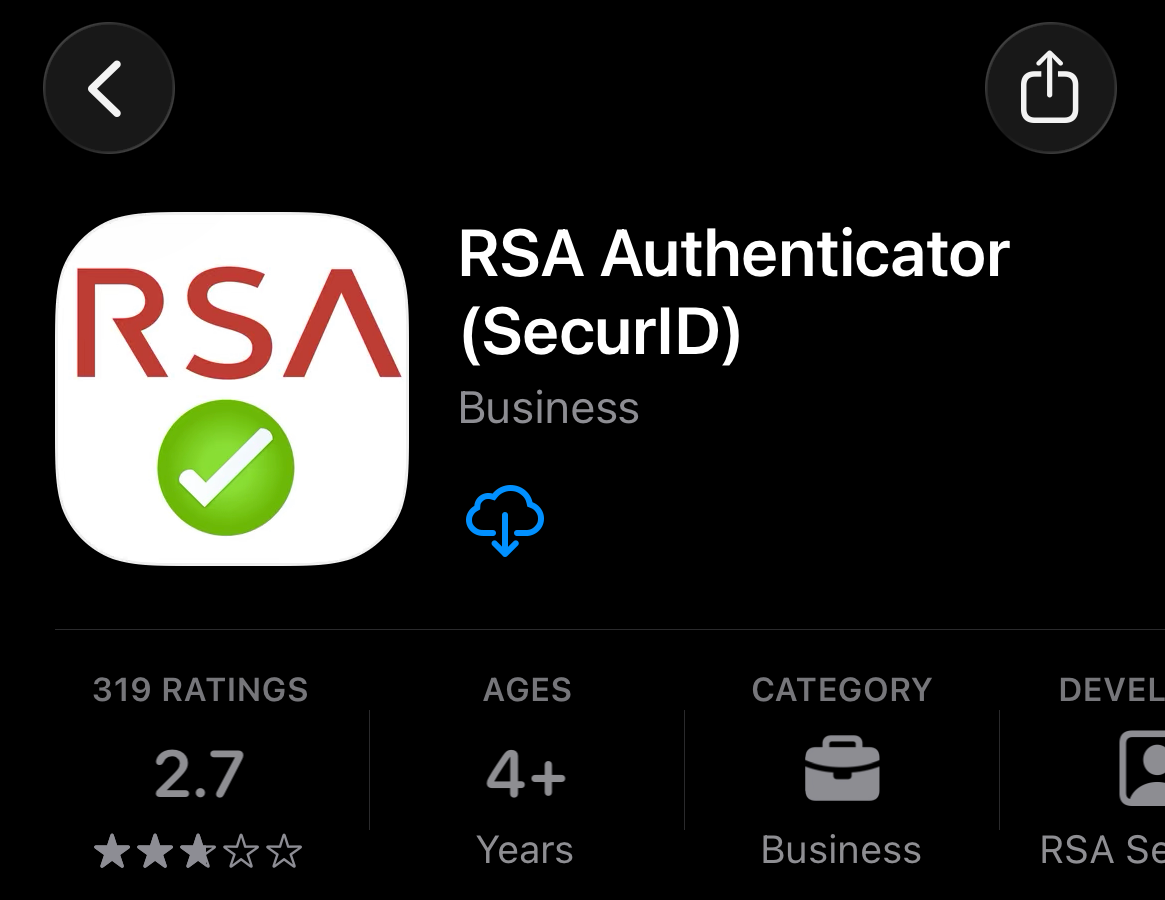
Are you a business customer looking for help downloading and setting up RSA Authenticator for Cash Management services? Directions and a reference video can be found here.
Introducing the New Eagle Bank Website: A Better Digital Banking Experience
At Eagle Bank, we believe innovation should make banking easier, more intuitive, and more accessible for the people and businesses we serve. That’s why we’re excited to introduce our completely redesigned website. We feel that this significant upgrade better reflects both who we are today and how we’re evolving the customer experience in the future.
How to Set Financial Goals You’ll Actually Stick To in 2026
Financial goals stick when they’re built realistically, connected to everyday life, and supported with simple systems rather than sheer willpower. Here’s how to approach financial goal setting for 2026 in a way that actually works.
Introducing the New Eagle Bank Website: A Better Digital Banking Experience
At Eagle Bank, we believe innovation should make banking easier, more intuitive, and more accessible for the people and businesses we serve. That’s why we’re excited to introduce our completely redesigned website. We feel that this significant upgrade better reflects both who we are today and how we’re evolving the customer experience in the future.
This launch represents more than just a new look. It’s a complete rethinking of how our website works—designed from the ground up to provide a faster, more helpful, and more user-friendly experience.
Whether you’re exploring financial products, looking for resources, or connecting with our team, the new site is built to help you get where you need to be quickly.
Designed With You in Mind
Our goal throughout this redesign was simple: make the experience better for our customers.
We carefully reworked the structure and organization of the site to make it easier to navigate and more intuitive to use. The result is a website that helps you spend less time searching and more time focusing on what matters.
What’s New
Here are a few of the improvements you’ll notice as you explore the new website:
Streamlined Navigation A more intuitive menu structure makes it easier to explore personal banking, business banking, lending options, and helpful resources.
Reimagined Page Content & Information Clearer explanations, redesigned layouts, and better organization help you quickly understand the features and benefits of the products and services we offer.
New Online Banking & App Experience We have upgraded our Online Banking platform as well as our Mobile App with your banking journey in mind.
Mobile-Friendly Design Whether you’re on a phone, tablet, or desktop, the site is designed to work seamlessly so you can bank and learn on the go from your preferred device.
Better Tools and Resources Helpful information, educational content, and banking tools are easier to discover and use to help you bank with greater confidence.
A Reflection of Our Commitment to Innovation
The new website is part of a broader investment Eagle Bank is making in technology and digital banking tools that were designed to improve the customer experience while preserving the personalized service we’re known for.
Technology should never replace relationships. Instead, it should enhance them.
This upgrade helps us do exactly that.
Explore the New Site
We invite you to explore the new Eagle Bank website and experience the improvements firsthand.
Browse our products, learn more about how we serve our communities, and discover resources designed to help you make confident financial decisions.
And as always, if you ever need help, our team is here to assist.
Are you a business customer looking for help downloading and setting up RSA Authenticator for Cash Management services? Directions and a reference video can be found here.
How to Set Financial Goals You’ll Actually Stick To in 2026
Financial goals stick when they’re built realistically, connected to everyday life, and supported with simple systems rather than sheer willpower. Here’s how to approach financial goal setting for 2026 in a way that actually works.
How to Set Financial Goals You’ll Actually Stick To in 2026
The start of a new year feels like a natural financial reset. 2026 arrives with fresh motivation — the desire to save more, pay down debt, get organized, or finally build toward bigger goals like homeownership or starting a business.
But for many people, financial resolutions fade by February. Not because the goals weren’t good, but because the system behind them wasn’t sustainable.
At Eagle Bank, we’ve learned that the problem isn’t discipline. It’s design. Financial goals stick when they’re built realistically, connected to everyday life, and supported with simple systems rather than sheer willpower.
Here’s how to approach financial goal setting for 2026 in a way that actually works.
Start Fewer, Not Bigger
Most people sabotage progress by setting too many goals at once. Saving more, investing more, paying off debt faster, putting a down payment on a home — attempting these all at the same time stretches motivation thin.
Instead, pick one to three financial priorities for the year. Fewer targets allow you to focus your energy and build momentum. Once progress feels real, expanding goals becomes far easier.
Goals tied to real-world experiences feel more tangible — and easier to commit to.
Break the Annual Goal Into Monthly Actions
Year-long financial goals can feel overwhelming if there’s no clear action attached to them.
Every goal needs a monthly rhythm:
Decide how much you’ll transfer to savings each month
Identify specific payments that reduce debt balances
Schedule routine contributions instead of waiting for leftover cash
At Eagle Bank, we encourage people to build progress through automation rather than motivation. Small, consistent actions beat heroic bursts of discipline every time.
Use Separate Accounts to Create “Visual Wins”
One of the simplest ways to stay on track is to see progress clearly. Instead of allowing savings and spending to blend together:
Keep goal-specific money in a dedicated savings account
Avoid dipping into that account for daily expenses
Seeing a growing balance reinforces positive behavior and provides ongoing emotional reinforcement that helps goals stay top of mind throughout the year.
Build Goals Around Your Actual Cash Flow
Financial goals fail when they are not based in reality. Your goals must reflect:
True monthly spending patterns
Irregular income fluctuations
Seasonal expense cycles
Starting too aggressively often leads to burnout. Beginning with amounts that feel slightly easy and increasing them once habits are established sustains momentum.
Schedule Quarterly Check-Ins
Once a year planning isn’t enough. The most successful goal-setters review their progress each quarter. Quarterly reviews allow you to:
Increase or adjust savings contributions
Rebalance priorities as life changes
Celebrate wins and troubleshoot setbacks early
At Eagle Bank, we see the most financial success from people who regularly revisit their plans rather than making a single New Year agreement with themselves and hoping for the best.
Let Support Strengthen Consistency
Sticking to financial goals becomes easier when you’re not doing it alone. Whether it’s guidance from your banker, support from a partner, or accountability through financial check-ins, encouragement fuels consistency.
Eagle Bank works with individuals and families across New England to create financial plans that fit real lives. Our conversations focus on building steady systems that support your goals without adding stress or complexity.
Making 2026 Different
By simplifying your goals, tying them to real outcomes, automating progress, and reviewing consistently, 2026 can become the year financial growth starts to feel sustainable.
If you’d like support putting your goals into motion, an Eagle Bank banker can help you turn New Year’s motivation into a system that lasts well beyond January.

Are you a business customer looking for help downloading and setting up RSA Authenticator for Cash Management services? Directions and a reference video can be found here.
Introducing the New Eagle Bank Website: A Better Digital Banking Experience
At Eagle Bank, we believe innovation should make banking easier, more intuitive, and more accessible for the people and businesses we serve. That’s why we’re excited to introduce our completely redesigned website. We feel that this significant upgrade better reflects both who we are today and how we’re evolving the customer experience in the future.
What Business Owners Should Look for in a Banking Partner
Choosing a bank for your business is one of the most important financial decisions you’ll make, yet many business owners focus only on rates and fees. While costs matter, the true value of a business bank lies in something deeper: the relationship.
Across New England, business owners who feel supported by their bank tend to operate with more confidence. They’re better prepared for growth, more proactive when challenges arise.
Direct Access to People Who Know Your Business
The first thing to look for in a banking partner is simple: human connection.
You should have consistent access to the same banking professionals—not rotating call centers or automated systems. A banker who understands your cash flow cycles, long-term goals, and industry challenges can provide relevant guidance that no algorithm can replicate.
This continuity turns banking from a reactive service into a proactive partnership.
Understanding of Your Industry and Region
No two businesses operate exactly alike. The rhythms of a seasonal retailer, a professional services firm, a nonprofit, or a manufacturer vary significantly.
A strong banking partner understands:
How revenue timing affects cash flow
How regional seasonality impacts operations
The economic dynamics unique to the communities you serve
Local and industry understanding leads to more meaningful support and advice tailored to your business’ specific conditions rather than generalized assumptions.
Ability to Grow with Your Business
Your business banking needs will evolve. What starts as basic checking may expand into payroll services, cash management tools, business savings strategies, or long-term growth planning.
The best banking partner will evolve with you. Continuity of relationships allows your banking team to retain institutional knowledge, helping financial decisions become simpler even as your business becomes more complex.
Proactive Guidance, Not Just Problem Solving
Many business owners only hear from their bank when there’s an issue to resolve. A true partner takes a more proactive approach.
Look for a bank that:
Checks in regularly
Flags potential issues before they become emergencies
Helps assess growth opportunities
Supports better financial planning
Great banking partnerships aren’t built on crisis management—they’re built on preparation.
Community Commitment
At Eagle Bank, community isn’t a marketing concept—it’s a guiding principle. Our regional presence allows us to make decisions close to the businesses we serve and supports long-term investments in local economic growth.
This commitment matters because banks that are engaged in the community tend to be more invested in each customer’s success.
Making the Right Choice
When deciding where to bank, business owners should reflect on more than pricing comparisons. Ask:
Will this bank truly know my business?
Are they accessible when real financial conversations matter?
Do they understand my industry and local market?
Will this relationship still make sense as my business grows?
Finding Partnership at Eagle Bank
Eagle Bank works with business owners across New England who are looking for more than accounts—they want a partner who listens, understands, and supports long-term success.
By focusing on relationships over transactions and guidance over sales, Eagle Bank helps businesses build strong financial foundations that can grow confidently into the future.
If you’re thinking about what you really want from your banking relationship, a conversation with Eagle Bank can help you explore what true partnership looks like. Click to connect with a team member.
Are you a business customer looking for help downloading and setting up RSA Authenticator for Cash Management services? Directions and a reference video can be found here.
Introducing the New Eagle Bank Website: A Better Digital Banking Experience
At Eagle Bank, we believe innovation should make banking easier, more intuitive, and more accessible for the people and businesses we serve. That’s why we’re excited to introduce our completely redesigned website. We feel that this significant upgrade better reflects both who we are today and how we’re evolving the customer experience in the future.
How to Pay Yourself as a Business Owner (Without Hurting Your Cash Flow)
Figuring out how to pay yourself as a business owner can feel surprisingly complicated. Many founders across New England swing between two extremes — taking too little and struggling personally, or taking too much and quietly stressing their business.
At Eagle Bank, we see this question at nearly every stage of growth. The goal isn’t simply getting paid, it’s paying yourself in a way that supports your life and your company for the long term.
Start with Your Business Structure
How you pay yourself depends largely on how your business is set up.
Sole proprietors and single-member LLCs typically take owner’s draws rather than payroll. Partnerships operate similarly under their ownership agreements. S corporations generally pay owners a reasonable salary through payroll with the option for additional distributions. C corporations pay owners as employees through payroll.
Your structure affects taxes, income stability, and how predictable your pay can be, so your approach should align accordingly.
Define Your Personal Baseline
Before deciding what your business can pay you, start with your personal needs. Calculate your monthly living expenses, required savings contributions, and essential debt obligations. This creates a baseline income target — the minimum your business must reliably provide to maintain household stability.
Pay Yourself Consistently
Many business owners pay themselves only when money is left over, which creates uncertainty.
A steady paycheck:
Creates predictable household income
Simplifies budgeting
Removes emotion from cash decisions
Choose a schedule — weekly, biweekly, or monthly — and stick to it. Begin conservatively and increase only as business cash flow becomes reliably predictable.
Let Cash Flow Support Raises
Before giving yourself a raise, confirm the business can absorb the increase comfortably. Look for consistent profitability, dependable collections, and healthy operating reserves. Your pay should grow only as your company’s financial stability grows with it.
Keep Business and Personal Finances Separate
Owner pay should flow just like payroll — from business checking to personal checking — with all business expenses staying in business accounts. Separation improves financial clarity, tax accuracy, and cash flow management. This structure is foundational for sustainable growth.
Plan for Taxes Along the Way
Set aside a portion of every owner payment for taxes and revisit estimates regularly with your accountant. Consistent preparation prevents year-end surprises that can disrupt both personal income and business cash flow.
Building a Sustainable Pay Strategy with Eagle Bank
Eagle Bank helps business owners across New England develop compensation strategies aligned with real cash flow, clean account structures, and long-term stability. A simple conversation can bring clarity to how your income works for both your life and your business.
Are you a business customer looking for help downloading and setting up RSA Authenticator for Cash Management services? Directions and a reference video can be found here.
Introducing the New Eagle Bank Website: A Better Digital Banking Experience
At Eagle Bank, we believe innovation should make banking easier, more intuitive, and more accessible for the people and businesses we serve. That’s why we’re excited to introduce our completely redesigned website. We feel that this significant upgrade better reflects both who we are today and how we’re evolving the customer experience in the future.
When Should a Small Business Apply for a Loan? (And When You Shouldn’t)
Deciding when to apply for a business loan can feel like a leap of faith. Too early and you worry about unnecessary debt. Too late and you risk missing growth opportunities. Many business owners wait until they’re under pressure to seek financing — but that’s often the moment it’s hardest to qualify.
At Eagle Bank, we believe the best lending decisions happen before you’re in a financial crunch. Understanding when to apply for a business loan, can help you borrow strategically instead of reactively.
Good Times to Apply for a Business Loan
Some of the strongest loan applications come from business owners who aren’t desperate — they’re planning ahead.
Consider applying when:
You have consistent or growing revenue
You want to expand operations, hire, or increase inventory
You’re purchasing equipment, vehicles, or commercial space
You see a time-sensitive growth opportunity
You want to refinance higher-interest debt
Lenders view loans more favorably when borrowing supports stability or expansion, rather than short-term survival.
Applying while your business is financially healthy also gives you better leverage. You’re more likely to qualify for favorable rates and terms, and you have time to structure repayment responsibly into your cash flow.
What Eagle Bank Looks For in Loan Readiness
Before applying, it helps to understand the factors lenders evaluate most closely. Eagle Bank typically looks for:
Stable or trending-up revenue
Organized financial records
Healthy credit habits
Clear plans for loan use
Proven ability to repay
Preparation often matters more than perfect numbers. Business owners who know their financial story present stronger applications than those rushing at the last minute.
How to Prepare Before You Apply
Strong preparation can improve your chances of approval and ensure you borrow at the right scale.
Review your cash flow trends
Understand exactly how loan funds will be used
Know what monthly payment fits comfortably into your budget
Confirm your credit profile is stable
Starting these steps early creates more options and less pressure.
Borrowing with Confidence
Whether now is the right time to apply or you’re still preparing, Eagle Bank helps business owners across New England think through the smartest path forward. Our bankers provide honest guidance on timing, loan options, and financial readiness so borrowing becomes a strategic decision — not a last resort.
Are you a business customer looking for help downloading and setting up RSA Authenticator for Cash Management services? Directions and a reference video can be found here.
Introducing the New Eagle Bank Website: A Better Digital Banking Experience
At Eagle Bank, we believe innovation should make banking easier, more intuitive, and more accessible for the people and businesses we serve. That’s why we’re excited to introduce our completely redesigned website. We feel that this significant upgrade better reflects both who we are today and how we’re evolving the customer experience in the future.
How to Rebuild Credit After a Tough Financial Year
A difficult financial year can happen to anyone. Job changes, medical bills, unexpected expenses, or major life transitions can all affect your credit. The good news is that a temporary setback doesn’t define your future. Learning how to rebuild credit is about consistency, patience, and having the right support.
At Eagle Bank, we work with people across New England every day who are feeling discouraged about their credit scores. Rebuilding credit is rarely about perfection — it’s about taking steady, intentional steps forward.
Here’s how to start strengthening your credit after a challenging stretch.
Step 1: Know Where You Stand
The first step to rebuilding credit is understanding your full credit profile. Obtain your credit report and review it carefully to make sure:
Every account listed belongs to you
Balances and payment histories are accurate
Closed accounts are correctly marked
Errors happen more often than most people realize, and correcting a mistake can give your score an immediate boost.
Step 2: Make Every Payment on Time
Payment history has the biggest impact on your credit score. Even one missed or late payment can slow your progress.
To build positive momentum:
Set up automatic payments for minimum balances
Add payment reminders for all bills
Prioritize on-time payments over aggressive debt payoff
Consistency matters more than speed in this stage.
Step 3: Pay Down High Balances
Credit utilization — how much of your available credit you’re using — plays a major role in scoring. The goal is to keep your balances under 30% of your total credit limits whenever possible.
Ways to approach this:
Focus extra payments on high-balance cards
Spread purchases across cards instead of maxing out one
Avoid closing cards after paying them down, which helps maintain your overall credit availability
As balances fall, your score may begin improving relatively quickly.
Step 4: Keep Older Accounts Open
The length of your credit history matters. Even if you aren’t actively using older cards or accounts, keeping them open — as long as they don’t carry fees — can help strengthen your credit profile by showing long-term reliability.
Step 5: Add Positive Activity Carefully
For some people, rebuilding credit means adding safe, structured activity that shows lenders you’re back on track.
Tools that can help:
A secured credit card with a small, manageable limit
A small installment loan designed for credit-building
Becoming an authorized user on a long-standing, well-managed account
These approaches add new positive behavior while you’re repairing past challenges.
How Long Does It Take to Rebuild Credit?
Small improvements may show within 30 to 60 days once you establish consistent payments and lower balances. More significant changes typically take 6 to 12 months of steady activity.
Rebuilding credit is a marathon, not a sprint — and that’s okay. Long-term strength develops through habits, not shortcuts.
Avoid Common Rebuilding Mistakes
People trying to rebuild credit sometimes unintentionally slow themselves down by:
Applying for too much new credit at once
Closing older accounts after paying them off
Skipping minimum payments while focusing only on large debts
Using credit repair companies that promise unrealistically fast fixes
Progress comes from disciplined, transparent strategies instead.
How Eagle Bank Can Help
At Eagle Bank, rebuilding credit starts with conversation — not judgment and not quick fixes. Our bankers take the time to understand your situation and help you develop a plan that fits your real life.
Are you a business customer looking for help downloading and setting up RSA Authenticator for Cash Management services? Directions and a reference video can be found here.
Introducing the New Eagle Bank Website: A Better Digital Banking Experience
At Eagle Bank, we believe innovation should make banking easier, more intuitive, and more accessible for the people and businesses we serve. That’s why we’re excited to introduce our completely redesigned website. We feel that this significant upgrade better reflects both who we are today and how we’re evolving the customer experience in the future.
If you’ve ever wondered whether you’re keeping too much money in checking or not enough in savings, you’re not alone. It’s one of the most common questions — and most helpful conversations — we have with customers at Eagle Bank. The answer isn’t about finding a perfect formula. It’s about building a balance that supports your daily life while steadily strengthening your financial foundation.
A helpful way to think about it is simple:
Checking is for spending. Savings is for protection and progress.
Each account serves a different purpose, and when used together intentionally, your money works harder without creating more complexity.
What Your Checking Account Is For
Your checking account is your everyday spending hub. It supports housing payments, utilities, groceries, dining, childcare, transportation, subscriptions, and routine expenses that keep your life running.
How Much Should You Keep in Checking?
A practical guideline is to keep one to two months of living expenses in your checking account.
For example, if your household spends $3,500 per month, a healthy checking balance typically falls between $3,500 and $7,000. This provides enough cushion for bills and unexpected minor costs without constantly transferring money or risking overdrafts — while ensuring excess funds aren’t sitting idle.
What Your Savings Account Is For
Your savings account is where financial security lives. It supports emergency funds and goal-based savings for things like home down payments, travel plans, medical buffers, and major purchases. Savings money should remain easily accessible but clearly separate from everyday spending to protect your long-term stability.
How Much Should You Keep in Savings?
Most financial professionals, including the team at Eagle Bank, recommend saving three to six months of living expenses.
Using the same $3,500 monthly spending example, that means a savings target between $10,500 and $21,000. This level of savings creates genuine peace of mind and provides breathing room when life throws you a curveball.
Why Savings Should Earn More Than Checking
Checking accounts are built for convenience and frequent access, not growth. Savings accounts, particularly high-yield savings, are designed to earn interest while keeping your money safe and available.
At Eagle Bank, high-yield savings options allow your emergency fund and goal savings to grow steadily over time without market risk. Your funds remain protected and liquid while benefiting from consistent interest and compounding.
What Happens When Too Much Money Sits in Checking
When large balances accumulate in checking accounts, that money typically isn’t earning anything meaningful. Over time, this can result in:
Missed interest earnings
Slower long-term savings growth
Less clarity between spending money and security funds
Moving excess money into savings adds structure and increases your earning potential without affecting daily flexibility.
A Healthy Money Framework
Many Eagle Bank customers succeed by following a simple structure:
Checking: one to two months of expenses Savings: three to six months of expenses plus goal-based savings
After this foundation is built, consistency matters more than precision. Automated transfers from checking to savings make steady progress effortless and reliable.
How Eagle Bank Can Help
At Eagle Bank, we don’t just open accounts — we help you build financial systems that support your goals.
Our bankers can help you:
Review your cash flow
Set realistic savings targets
Automate transfers for consistent growth
Identify the right savings solutions for your priorities
Ready to Build the Right Balance?
A short conversation can bring clarity to where your money belongs. Connect with an Eagle Bank banker and we’ll help you create a checking and savings strategy that supports both your everyday needs and your future plans.
Are you a business customer looking for help downloading and setting up RSA Authenticator for Cash Management services? Directions and a reference video can be found here.
Introducing the New Eagle Bank Website: A Better Digital Banking Experience
At Eagle Bank, we believe innovation should make banking easier, more intuitive, and more accessible for the people and businesses we serve. That’s why we’re excited to introduce our completely redesigned website. We feel that this significant upgrade better reflects both who we are today and how we’re evolving the customer experience in the future.
How to Get Pre-Approved for a Mortgage (And Why It Matters More Than You Think)
Buying a home doesn’t really start with open houses or scrolling listings — it starts with clarity.
One of the most important first steps in your home-buying journey is getting pre-approved for a mortgage. It’s the difference between hoping you qualify for a home… and knowing that you do.
At Eagle Bank, we work with buyers across New England every day, and pre-approval is almost always the moment everything starts to feel real — and a lot less stressful.
Here’s what mortgage pre-approval is, how the process works, and why it matters so much to your success as a buyer.
What Is Mortgage Pre-Approval?
Mortgage pre-approval is a written statement from your lender that confirms:
How much house you can afford — based on a real review of your finances.
Unlike an online calculator or quick estimate, pre-approval involves a genuine underwriting review of your situation, including:
Income and employment
Credit history
Current debts
Available funds for a down payment
Once reviewed, Eagle Bank provides you with a pre-approval letter that states the loan amount you’re approved for — giving you confidence and credibility when you’re ready to make an offer.
Why Pre-Approval Matters More Than You Think
1. You Know Your True Budget
Pre-approval answers the biggest question:
How much house can I actually afford?
Instead of guessing or stretching past your comfort zone, you shop with a clear price range in mind — helping you focus on homes you can confidently purchase, both today and long-term.
2. Sellers Take You Seriously
In competitive markets, sellers are more likely to choose offers backed by pre-approval.
A pre-approval letter signals that:
You’re financially prepared
Your financing isn’t uncertain
Your offer is more likely to close successfully
It helps your offer stand out — sometimes as much as your price or closing terms.
3. You Can Act Quickly When the Right Home Appears
Homes move fast. Being pre-approved means you can:
Write offers immediately
Negotiate confidently
Move quickly toward closing
When timing matters, preparation gives you the advantage.
The Mortgage Pre-Approval Process at Eagle Bank
The mortgage pre approval process at Eagle Bank is refreshingly straightforward — and built around real conversations, not automated systems.
Here’s how it works:
Step 1: Gather a Few Documents
To begin, we’ll ask for:
Recent pay stubs or income documents
W-2s or tax returns (if self-employed)
Bank statements showing savings for your down payment
Employment details
Your authorization to check credit
This allows us to give you real numbers — not estimates.
Step 2: Meet with an Eagle Bank Mortgage Specialist
This is where our approach truly shines.
You’ll sit down with a local mortgage expert who will walk through:
Your homeownership goals
Monthly payment comfort levels
Down payment options
Loan programs that best fit your needs
No pressure. No rushed calls. Just thoughtful guidance built around your life.
Step 3: Credit & Financial Review
Our team completes a thorough review of your credit and financial profile to determine:
Your purchase price range
Payment expectations
Greatest loan options
Step 4: Receive Your Pre-Approval Letter
Once approved, you receive a customized pre-approval letter that:
Clearly states your approved loan amount
Can be tailored to different offers as needed
Remains valid for 60–90 days
If your home search takes longer than expected, we easily update your approval to keep you fully prepared.
Pre-Approval vs. Pre-Qualification: What’s the Difference?
These two terms often get confused — but they aren’t the same thing.
Pre-Qualification
Mortgage Pre-Approval
Quick estimate
Real underwriting review
Based on self-reported info
Verified financial documentation
No credit pull
Credit check required
Health-check only
Seller-trusted approval
Not used for offers
Comes with a formal approval letter
When Should You Get Pre-Approved?
The best time? Before you start house hunting.
Pre-approval:
Keeps your expectations realistic
Prevents emotional over-attachment to unaffordable homes
Helps you move confidently from day one
Think of it as your foundation — not a formality.
A More Personal Mortgage Experience Starts Here
At Eagle Bank, pre-approval isn’t just paperwork — it’s a partnership.
We guide you through the process with:
Local experts who know your market
Clear, calm communication
Honest affordability conversations
Support from first showing to final closing
Whether buying your first home, upgrading, or downsizing — we’re right beside you at every step.
Ready to Take the First Step?
If homeownership is in your plans, start with confidence.
Are you a business customer looking for help downloading and setting up RSA Authenticator for Cash Management services? Directions and a reference video can be found here.
Introducing the New Eagle Bank Website: A Better Digital Banking Experience
At Eagle Bank, we believe innovation should make banking easier, more intuitive, and more accessible for the people and businesses we serve. That’s why we’re excited to introduce our completely redesigned website. We feel that this significant upgrade better reflects both who we are today and how we’re evolving the customer experience in the future.
By accessing the noted link you will be leaving Eagle Bank's website and entering a website hosted by another party. Eagle Bank has not approved this as a reliable partner site. Please be advised that you will no longer be subject to, or under the protection of, the privacy and security policies of Eagle Bank's website. We encourage you to read and evaluate the privacy and security policies of the site you are entering, which may be different than those of Eagle Bank.